
Cannabis 101: Understanding Cannabis Product Types
Understanding Cannabis Product Types
Flower, pre-rolls, edibles, beverages, vapes, concentrates, tinctures, and topicals—explained without the unnecessary jargon.
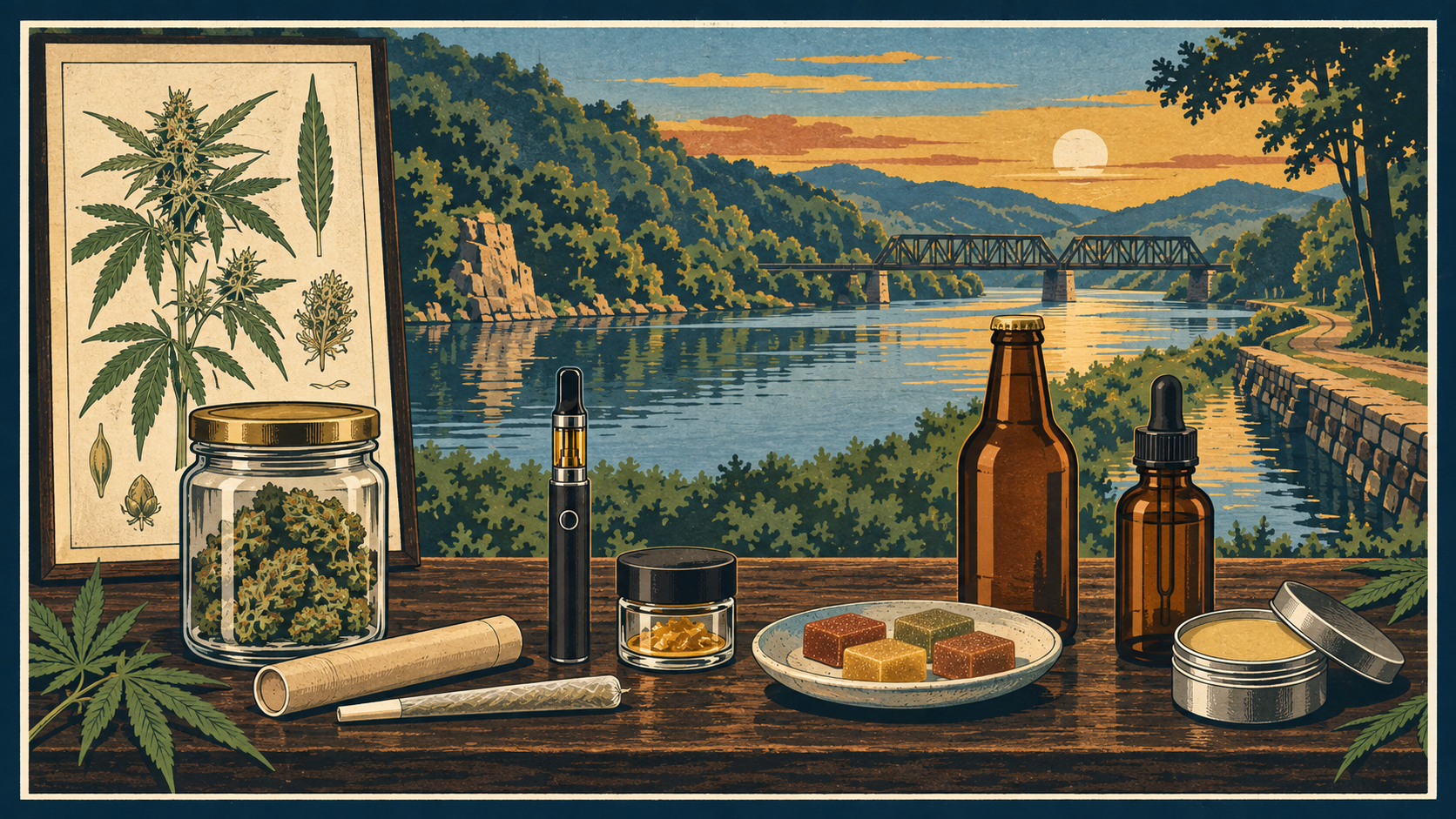
Cannabis menus contain a vocabulary of their own. Flower may be listed beside pre-rolls, cartridges, gummies, beverages, concentrates, tinctures, and topicals—sometimes with even more specialized terms underneath them.
For someone new to cannabis, the number of choices can make a simple question feel surprisingly complicated: Where do I begin?
The answer does not start with finding the “best” product. There is no universally best format, potency, cannabinoid ratio, or experience. A more useful place to begin is understanding what each product type is, how it is commonly used, and which details deserve a closer look.
What does a product type tell you?
A product type describes the form in which cannabis has been prepared and sold. It can help you understand:
- Whether the product is inhaled, swallowed, applied externally, or used according to another labeled method
- How the product is portioned or measured
- Which equipment may be required
- What information to look for on the label
- How it should be stored
- Which practical considerations may be relevant
The format does not tell you exactly how the product will affect you. Individual experiences can vary based on cannabinoid concentration, serving size, formulation, previous experience, frequency of use, personal biology, food intake, medications, alcohol or other substances, and additional factors.
The CDC advises that health and safety risks exist across different methods of cannabis use and that available evidence does not establish one method as universally safe. See the CDC’s Cannabis Frequently Asked Questions.
Flower
Flower is the dried, harvested portion of the cannabis plant. It may also be described as whole flower, buds, ground flower, or smalls.
Flower is generally sold by weight and requires a separate accessory for use, such as rolling papers or another device intended for flower. Because it is not divided into standardized servings, the consumer is responsible for deciding how much to prepare.
What to check
- Package weight
- THC, CBD, and other cannabinoid information
- Harvest, testing, packaging, or expiration dates
- Whether it is whole or ground flower
- Storage instructions
- The condition and seal of the package
Keep in mind
Cannabinoid percentages are only one part of the product information. A higher THC percentage does not automatically mean a product is better suited to someone’s preferences. Smoking cannabis exposes the lungs to smoke; the CDC states that smoked cannabis can harm lung tissue, regardless of how it is smoked.
Pre-rolls
A pre-roll contains cannabis flower that has already been ground, portioned, and rolled. Some are sold individually, while others are packaged in multipacks.
A standard pre-roll generally contains flower. An infused pre-roll may also contain cannabis concentrate, extract, or another added cannabis ingredient. That distinction matters because infused products may contain substantially more concentrated cannabinoids than flower-only products.
What to check
- Total product weight
- Number of pre-rolls
- Weight per pre-roll
- Infused or non-infused designation
- Cannabinoid concentration
- Ingredients and added materials
Keep in mind
“Pre-rolled” describes convenience, not a standardized potency or experience. Two similarly sized pre-rolls may have very different formulations and cannabinoid concentrations.
Vapes
Cannabis vape products use a device to heat cannabis oil or extract so that an aerosol can be inhaled. Common formats include cartridges, disposable devices, and all-in-one systems.
Some cartridges require a separate compatible battery. Disposable or all-in-one vapes usually include the battery and oil in a single unit.
What to check
- Whether a battery is required
- Battery and cartridge compatibility
- Total oil quantity
- Cannabinoid concentration
- Listed ingredients
- Charging, storage, and disposal directions
Keep in mind
Vaping does not mean risk-free. Cannabis oils and concentrates can contain high concentrations of THC, and vaping has been associated with lung injury. Purchase regulated products from licensed dispensaries, never modify cartridges, and use electronic devices only as directed.
Concentrates
“Concentrate” is a broad category for products created by separating and concentrating compounds from the cannabis plant.
Depending on the production method and consistency, concentrates may be described with terms such as resin, rosin, wax, shatter, badder, sauce, oil, or diamonds. These names may offer clues about texture or processing, but they do not provide a complete picture of quality or suitability.
What to check
- Cannabinoid concentration
- Total product quantity
- Production method, when provided
- Ingredients
- Intended method of use
- Required equipment and storage directions
Keep in mind
Concentrates frequently contain higher concentrations of THC than flower. More concentrated does not necessarily mean more appropriate for an individual consumer. Ask how a product is intended to be used before purchasing it.
“Product type describes the format—not a guaranteed experience.”
Edibles
Edibles are foods containing cannabis ingredients. Depending on the regulated market, this category may include gummies, chocolates, baked products, lozenges, capsules, or other ingestible formats.
Edibles are processed through digestion rather than inhalation. Their effects can be delayed and may last longer than someone expects. The CDC notes that delayed effects can contribute to overconsumption when someone takes an additional serving before the first has been fully felt.
What to check
- Cannabinoid content per serving
- Total content in the package
- Number and size of servings
- Ingredients and allergens
- Dietary information, when verified
- Storage and expiration information
Keep in mind
Do not assume that one package equals one serving. Check both the amount per serving and the total amount in the container. Keep edibles in their original, clearly labeled packaging and store them securely away from children and pets.
Beverages
Cannabis beverages are ingestible products formulated as ready-to-drink beverages, drink mixes, syrups, drops, or other products intended to be added to a beverage.
Although beverages may feel familiar, they should still be treated as cannabis edibles. A container may include one serving or several servings.
What to check
- Cannabinoid content per serving
- Total content in the container
- Number and size of servings
- Whether the container must be shaken
- Refrigeration and storage instructions
- Ingredients and allergens
Keep in mind
A cannabis beverage should not be treated like an ordinary soft drink. Read the complete label before opening it, measure servings when required, and clearly identify it as a cannabis product.
Tinctures and measured liquids
Tinctures are concentrated liquid products generally packaged with a dropper, pump, or other measuring device. Formulations and labeled directions can vary.
Some products are intended to be swallowed, while others may provide different instructions. The word “tincture” alone does not tell you exactly how a product should be used.
What to check
- Content per milliliter or measured unit
- Total cannabinoid content
- Cannabinoid ratio
- Ingredients and carrier oils
- Dropper or pump measurements
- Directions and storage instructions
Keep in mind
Use the measuring device supplied with the product and follow its directions. Do not estimate a serving by eye or assume that all droppers hold the same amount.
Topicals
Topicals are cannabis products intended for external application. They may include lotions, balms, salves, oils, roll-ons, or patches.
Formulations differ considerably. Some are intended to remain near the application area, while products labeled as transdermal are designed differently. Do not assume that every topical works or is absorbed in the same way.
What to check
- Intended application area
- Directions and warnings
- Cannabinoid content
- Ingredients and potential allergens
- Topical or transdermal designation
- Storage information
Keep in mind
External-use products should only be applied as directed. Avoid contact with the eyes and do not use a topical on damaged skin unless its instructions specifically allow it. A topical is not automatically non-intoxicating simply because it is applied externally.
A practical way to compare formats
- How is the product used?Determine whether it is inhaled, swallowed, applied externally, or used another way according to its directions.
- How is it measured?Look for weight, volume, cannabinoid content per serving, total package content, and the number of servings.
- What equipment does it require?Flower, concentrates, and some vape cartridges may require separate accessories or compatible devices.
- How should it be stored?Some products require temperature control, refrigeration after opening, upright storage, or protection from direct light.
- Is the label understandable?Before purchasing, make sure you can identify the format, cannabinoid content, serving information, ingredients, warnings, and directions.
A more confident place to start
Cannabis education is not about steering every person toward the same product. It is about making the available information easier to understand.
Start with the format. Read the label. Consider the setting, the directions, the serving information, and your own experience. Ask questions when something is unclear, and avoid making a decision based only on potency, packaging, or a promised effect.
Curiosity is welcome. So is taking your time.
Sources
- Centers for Disease Control and Prevention: Cannabis Frequently Asked Questions
- Centers for Disease Control and Prevention: Cannabis and Poisoning
- Centers for Disease Control and Prevention: Cannabis Health Effects
- New Jersey Cannabis Regulatory Commission
Information was checked against these sources during drafting. Time-sensitive guidance and links should be reviewed again before publication.
